
The History of Newmarket Equine Hospital

The role of the equine vet in Newmarket has evolved enormously over the last 100 years and before. An article in The Veterinarian dated 1 August 1831 observed “that no veterinary surgeon had been able to obtain a living at Newmarket.” The author blamed this on ‘the tyranny of the groom’.
However, things did improve, and according to Kelly’s Directory, by 1900 there were 30 racehorse trainers and 6 vets in Newmarket. These included William Livock and Fred ‘Bushranger’ Day — so named because he had been vet to the Governor of New South Wales in Sydney before he came to Newmarket, and who was also the grandfather of Fred Day, of whom more later.
The Move to March House

By 1912, William Livock had moved into March House, a large Georgian house on the High Street. The premises covered nearly two acres and included a forge, which is still present, a large coach house built in 1852, and 13 loose boxes. It is recorded that vets had lived and worked at this address since at least 1850.
March House on the High Street, later renamed Reynolds House.
Brayley Reynolds: A Remarkable Man
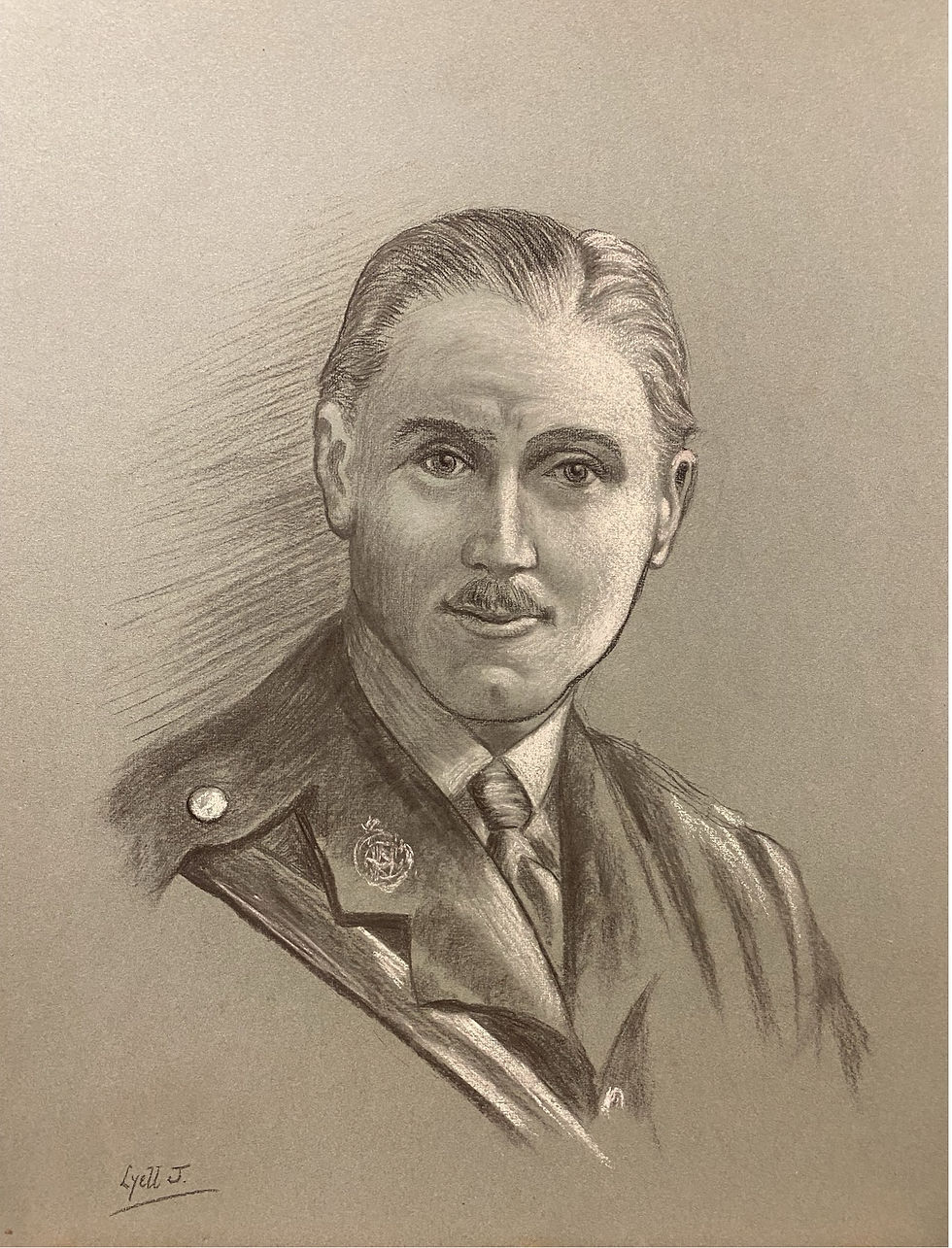
In 1923, Livock was joined by Brayley Reynolds. Born in 1879, Reynolds was a truly remarkable man. He was the son of a veterinary surgeon based in Daventry. At the outbreak of the Boer War, he lied about his age to join Lord Chesham’s Yeomanry and fought as a trooper in South Africa. On demobilisation, he had to earn a living as a veterinary assistant to fund his way through the Royal Veterinary College. He eventually qualified in 1912, aged 33, and joined the teaching staff at the college.
In 1915, Reynolds joined the Royal Veterinary Corps, which grew to over 1,000 vets during the Great War. He served in France and then commanded the veterinary hospital in Baghdad. This gave him vast experience, and he received the OBE. At the end of the war, his unit had to put down 10,000 horses which could not be returned to Britain. He used this opportunity to carry out much experimental surgery, developing a special technique for the laryngeal ventriculectomy operation, which was used in the practice until the 1980s, when the tie-back was developed.
After the war, in 1919, he was appointed Professor of Materia Medica at the Royal Veterinary College and head of the horse clinic. His great experience and scientific approach led to much consultation work. He was also very keen on racing, and in 1923 he moved to Newmarket and joined William Livock’s practice on the High Street.
William Livock retired in 1926, and Geoff Leader, a member of a famous Newmarket training family, joined Reynolds in partnership. The partnership can be traced without break to the present day, and the property on the High Street remained the home of the practice until the move to the new hospital in 2008.
Bob Crowhurst
In 1937, they were joined by Bob Crowhurst, recently qualified at the age of 21. Bob came from a dynasty of vets based in Kent and is the second giant of the practice that I would like to acknowledge.
On the outbreak of the Second World War, Bob joined the Royal Veterinary Corps. In the winter of 1940, he accompanied a division of Yeoman Cavalry to Palestine, taking 11,000 horses across France by rail and then from Marseilles to Haifa by sea. During the Italian campaign, large numbers of mules were used for transport, and Bob commanded veterinary hospitals at Bari and Persano, setting up an experimental unit to study Epizootic Lymphangitis. He ended the war as a Lieutenant Colonel and was awarded the OBE.
Fred Day: A Pioneer of Equine Reproduction
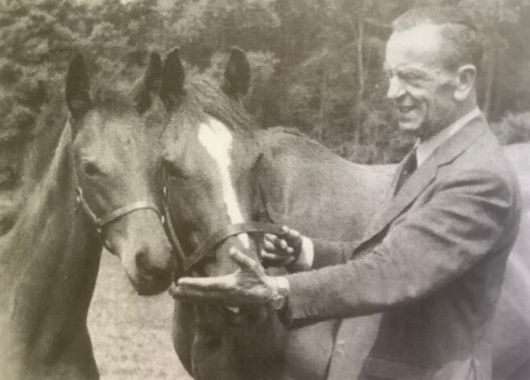
When the war ended, Fred Day joined the practice. Fred had qualified in 1935 and is the third of our founding giants. His father, Reg Day, was a successful trainer from Terrace House on the High Street, and his grandfather was Fred ‘Bushranger’ Day, previously referred to.
Fred Day had worked with Sir John Hammond at the ARC Unit in Cambridge on equine fertility. He worked out and published the oestrous and ovulation cycle of the horse in Welsh ponies, which is now the basis of much stud work. During the war he worked on cattle infertility and AI. He was a true academic pioneer of equine reproduction. He joined Brayley Reynolds in 1945, and Bob Crowhurst returned in 1946 following a year spent in Kentucky.
Brayley Reynolds retired from active practice in 1950. He must have been a remarkable man; his obituaries all refer to him as one of the greatest veterinary surgeons of the century. He was obviously a very strong character and did not suffer fools gladly. His obituary reported that “he considered sound advice to be often of more value than drugs” and that “he took great pains to arrive at a diagnosis and was cautious with therapy.” In recognition of his enormous contribution to the practice, March House was renamed Reynolds House.

Donald Simpson and the National Stud
Donald Simpson joined the practice in 1962 and took on the work at the National Stud, which moved to Newmarket in 1963. His greatest contribution came in 1977, when the previously unrecognised Contagious Equine Metritis infection arrived in Newmarket with mares from Ireland. Donald worked out that the site of carrier status for this and other venereal diseases was the clitoris of the mare and the urethral fossa of the stallion.
Swabbing of these sites is now the basis of the stud Code of Practice to this day. Working with Professor Twink Allen, he was also responsible for the early work on the use of ultrasound in the management of mares.
A Growing Industry
From the 1970s, there was much expansion of the industry in Newmarket. Tattersalls moved its headquarters from London and expanded the bloodstock sales, which had been at Doncaster. The British Bloodstock Agency moved up from London, followed by several others.
David Ellis and Richard Greenwood became partners in the mid-1970s. Richard had spent three years in Scone in the Hunter Valley, New South Wales, gaining valuable experience working for Murray Bain, a very dynamic Scotsman who had been a colleague of Bob Crowhurst’s in the Royal Veterinary Corps in Palestine, and a leading pioneer of stud medicine in Australia.
David Ellis was a gifted veterinary surgeon who, among many other things, advanced the surgical capabilities of the practice. In one example, David, working with the human orthopaedic surgeon David Dandy from Addenbrooke’s Hospital, pioneered the use of diagnostic arthroscopy in horses, which is now a standard procedure.
A Golden Period
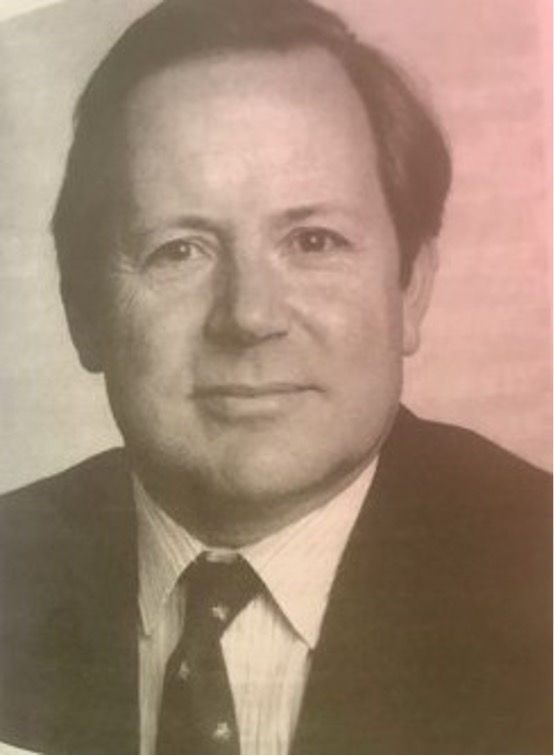
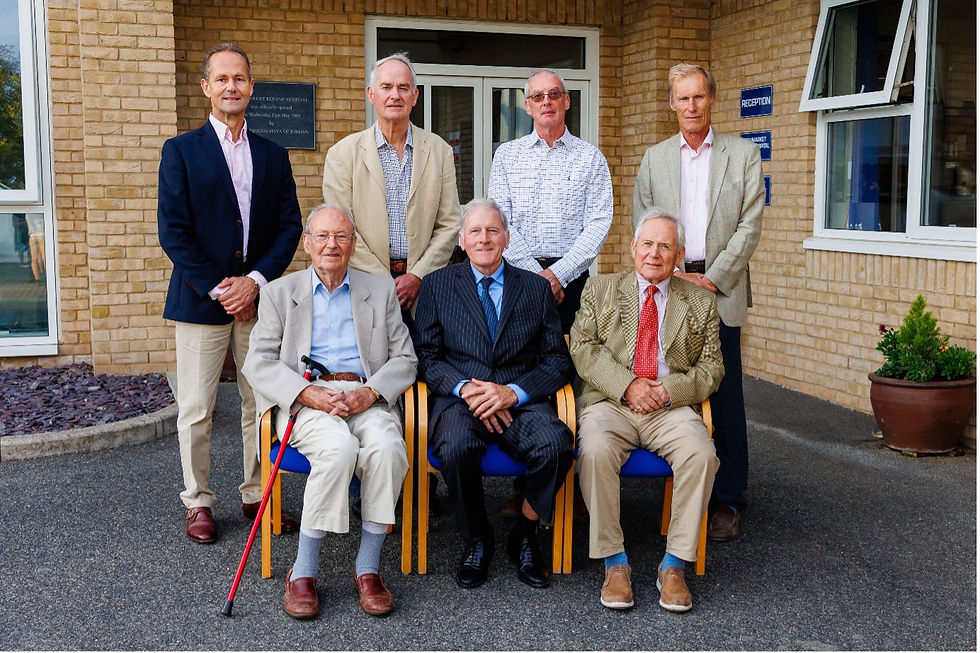
In 1989, the senior partner was Donald Simpson, along with Richard Greenwood, David Ellis, James Crowhurst, Andrew Edgar, and Huw Neal. This was a hugely talented team who continued the strong ethos of the practice — hard work, careful diagnostic investigation, and the highest ethical standards. They embraced and oversaw the incorporation of new scientific methods into the practice at a time when veterinary science was developing apace. This was a golden period for the practice.
Toward the end of this period, Benoit Herinckx and David Dugdale joined the partnership. Ian Wright, the internationally renowned surgeon, joined the practice, as did Dr Mark Hillyer from the University of Bristol, having studied with the legendary Geoff Lane.
Mary Finch
No account of the history of the practice would be complete without mention of Mary Finch. Mary joined the practice aged 16, straight from secretarial college, in 1947. She retired 50 years later, in 1997. Her life was dedicated to running the office, which she did with meticulous care and integrity, setting standards of service which were an example to all.
A New Home
As the last century drew to a close, it became apparent that the practice had outgrown the premises on the High Street, and a new site had to be found. This proved to be a frustrating and lengthy process, but eventually the current site was secured, and David Ellis oversaw the designing and building of the new hospital. It will serve us well for the foreseeable future and is a lasting and fitting legacy to David’s brilliance.
Standing on the Shoulders of Giants
What of the future? We stand on the shoulders of giants — namely Brayley Reynolds, Fred Day, and Bob Crowhurst. They were outstanding veterinary surgeons of their era. We have also benefitted from the subsequent generation of exceptionally gifted vets and a golden age of veterinary progress.
In 1970 there were approximately 10 vets in Newmarket. Today there are well over 100. At NEH, constantly improving surgical techniques and diagnostic procedures, teamwork, and collaboration are the watchwords. Vets specialise in their own areas to provide individual excellence in the care of our patients, but come together as a team. The role of our exceptional support staff must be acknowledged — our nurses, laboratory staff, secretarial team, the dedicated yard staff, and imaging team all play vital roles in the running of the practice.
We are the only large equine hospital in the UK which remains independent and not part of a corporation — owned and run by practising veterinary clinicians. This allows us to determine our own future and respond rapidly to changing circumstances. As a result, the hospital continues to grow and develop. Evidence of this is the newly commissioned CT unit, which now puts us at the forefront of equine hospitals in Europe.

Looking Ahead
In conclusion, the strong ethos of the practice remains to this day: hard work, careful and considered diagnostic investigation, sound advice, and intervention when appropriate. This thread continues to run through the practice over 100 years after William Livock started practising in Newmarket. As a result, we are very well positioned to face the future with confidence and optimism.
We look forward to the next 100 years.

